
10/31/2026 • 1 min read
111 views
Winter Air Pollution in Patna: How to Protect Your Lungs and When to See a Doctor
Winter Air Pollution in Patna: How to Protect Your Lungs and When to See a Doctor
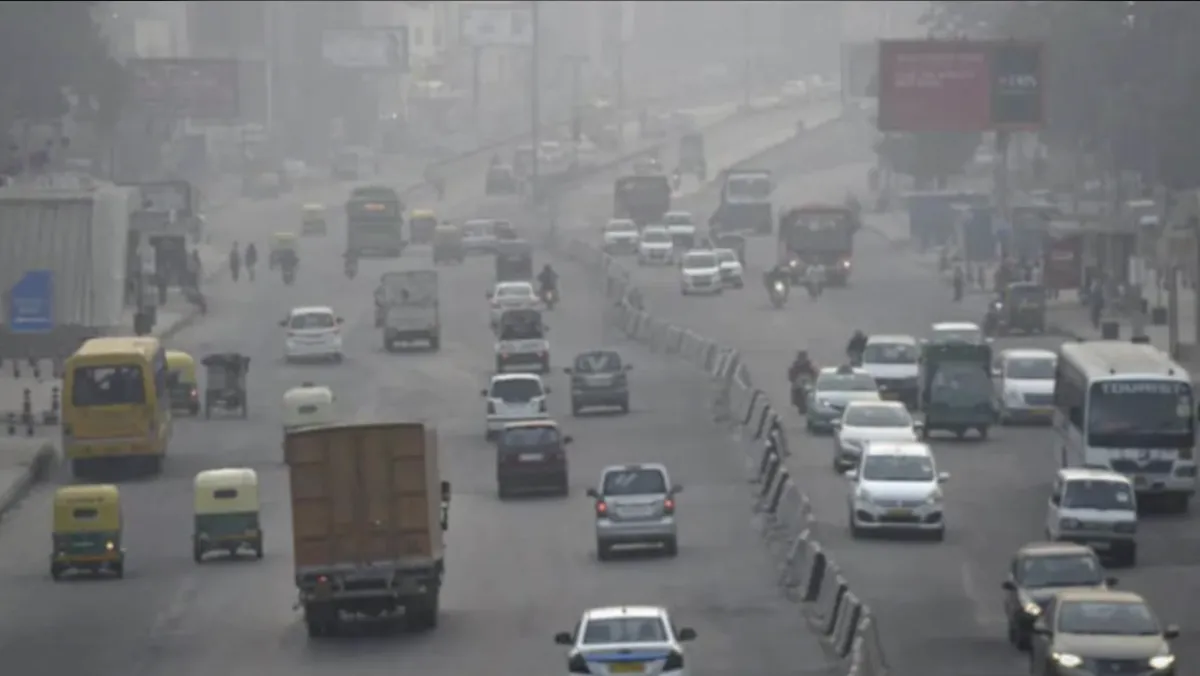
As winter approaches, air pollution becomes an important public health concern in Patna and other cities across Bihar. Changes in weather conditions, particulate pollution, vehicle emissions, construction dust, and the burning of solid fuels can contribute to poor air quality. For some people, this may mean more coughing, throat irritation, wheezing, or difficulty breathing.
Air pollution does not affect everyone in the same way. People living with asthma, chronic obstructive pulmonary disease (COPD), or other heart and lung conditions may be particularly vulnerable. Children, older adults, pregnant women, and people who work outdoors may also face greater risks.
Understanding how winter air pollution affects respiratory health and taking practical steps to reduce exposure can help people make informed decisions about their health.
Why Does Air Pollution Become a Concern During Winter in Patna?
Air quality can deteriorate during winter when local emissions combine with weather conditions that limit the dispersal of pollutants. Calm winds, temperature inversions, and reduced atmospheric mixing can allow pollutants to accumulate near the ground.
Several sources may contribute to air pollution in Patna, including:
- Vehicle emissions: Exhaust from cars, motorcycles, buses, and other vehicles contributes to particulate matter and gaseous pollutants.
- Construction and road dust: Dust from construction sites, unpaved surfaces, and busy roads can increase airborne particles.
- Combustion and burning: Waste burning, certain industrial activities, and the use of solid fuels for cooking or heating can release harmful pollutants.
- Regional pollution: Pollutants can travel across geographical areas, so local air quality may also be influenced by emissions from outside the city.
- Weather conditions: Limited air circulation can allow pollutants to remain concentrated near ground level.
Fine particulate matter, particularly PM2.5, is a significant concern because these tiny particles can travel deep into the respiratory tract and contribute to inflammation and other adverse health effects.
Actual pollution levels vary by location and day. Residents should consult current air-quality readings rather than assuming that every winter day has the same level of pollution.
How Can Winter Air Pollution Affect Your Lungs?
Exposure to polluted air may irritate the airways and worsen existing respiratory conditions. The effects depend on the type and concentration of pollutants, duration of exposure, and an individual's health.
Common symptoms may include:
- Coughing or an increase in an existing cough
- Irritation in the nose and throat
- Wheezing or a whistling sound while breathing
- Shortness of breath
- Chest tightness or discomfort
- Reduced tolerance for physical activity
Some people may experience symptoms even when they do not have a previously diagnosed lung condition. However, these symptoms are not specific to air pollution and can have several other causes.
Long-term exposure to air pollution is also associated with respiratory and cardiovascular diseases. Reducing exposure is therefore relevant not only during severe pollution episodes but also over the longer term.
Who Is More Vulnerable to Winter Air Pollution?
Although air pollution can affect anyone, certain groups may be more susceptible to its effects.
1. People with asthma
Polluted air can trigger asthma symptoms in some individuals, leading to coughing, wheezing, chest tightness, or breathlessness. People with asthma should follow their prescribed treatment plan and discuss worsening symptoms with their doctor.
2. People living with COPD
COPD is a chronic lung disease that includes conditions such as emphysema and chronic bronchitis. Exposure to air pollution may worsen symptoms and increase the risk of exacerbations in affected individuals.
3. Children
Children's lungs are still developing, and they may inhale more air relative to their body weight than adults. Parents should pay attention to persistent coughing, wheezing, or breathing difficulties, particularly during periods of poor air quality.
4. Older adults
Older adults may be more vulnerable, especially when they have existing respiratory or cardiovascular conditions.
5. Pregnant women
Air pollution exposure has been associated with adverse pregnancy outcomes in research. Pregnant women should follow public health advice on reducing exposure and consult their healthcare provider if they have concerns.
6. Outdoor workers
People who work near traffic, construction sites, or other pollution sources may experience prolonged exposure. Where feasible, reducing exposure through workplace controls, adjusted work schedules, and appropriate protective measures is important.
8 Practical Ways to Protect Your Lungs During Winter
No personal measure can eliminate exposure to outdoor air pollution. However, several practical steps may help reduce exposure, particularly during periods of poor air quality.
1. Check the Air Quality Index (AQI)
Check the Central Pollution Control Board's air-quality information before planning outdoor activities.
India's National Air Quality Index classifies air quality into six categories: Good, Satisfactory, Moderately Polluted, Poor, Very Poor, and Severe.
Higher AQI levels generally indicate greater health concerns. People with asthma, COPD, or heart disease should pay particular attention to health advisories and may need to adjust their activities when air quality deteriorates.
You can consult the CPCB National Air Quality Index portal.
2. Adjust Outdoor Exercise When Pollution Is High
Regular physical activity remains important for overall health. However, strenuous exercise increases the amount of air inhaled, potentially increasing exposure to pollutants.
When air quality is poor:
- Consider exercising indoors in a space with cleaner air.
- Choose routes away from heavy traffic when possible.
- Adjust the timing and intensity of outdoor activity according to current air quality and your health.
- Follow your doctor's advice if you have a chronic respiratory or cardiovascular condition.
Avoid assuming that early morning is always the cleanest time to exercise. Pollution levels vary by location, weather, and time of day.
3. Keep Indoor Air as Clean as Possible
Indoor spaces can provide some protection from outdoor pollution, but they are not automatically pollution-free.
To improve indoor air quality:
- Avoid smoking indoors and keep tobacco smoke away from children and other household members.
- Avoid burning waste or other materials near windows and entrances.
- Minimise unnecessary incense, dhoop, and other indoor combustion sources, particularly if they trigger respiratory symptoms.
- Use an exhaust fan or appropriate ventilation when cooking, where outdoor conditions and the kitchen setup permit.
- Consider a suitably sized air purifier with effective particle filtration if practical and affordable.
A portable air purifier may reduce indoor particulate matter, but its effectiveness depends on the device, room size, maintenance, and other pollution sources.
4. Reduce Exposure to Traffic and Dust
When possible, avoid spending unnecessary time beside congested roads or dusty construction sites.
If you walk or cycle, consider a less congested route. Keep vehicle windows closed when travelling through heavily polluted areas, and use the vehicle's air-conditioning system with recirculation when appropriate.
These measures may reduce exposure but cannot remove all pollutants.
5. Use a Suitable Mask When Appropriate
A well-fitting particulate respirator, such as an N95, may reduce inhalation of airborne particles when correctly selected and worn. Fit is important: gaps around the face can substantially reduce protection.
Ordinary cloth masks and loose-fitting surgical masks should not be relied upon for equivalent protection against fine particulate matter.
Respirators do not remove every air pollutant, including many gases. People with significant heart or lung disease should seek individual medical advice if wearing a respirator causes discomfort or breathing difficulty.
6. Follow Your Prescribed Respiratory Treatment
If you have asthma or COPD, continue your prescribed treatment according to your doctor's instructions.
Keep track of changes in symptoms and follow your personalised action plan, if you have one. Do not independently increase, reduce, or discontinue medication because pollution levels have changed.
If your symptoms are becoming more frequent or your usual treatment is not providing the expected relief, arrange a medical assessment.
7. Avoid Self-Medication
Coughing and breathlessness can have several causes, including respiratory infections, asthma, COPD, heart conditions, and other lung diseases.
Avoid starting antibiotics, oral steroids, or other prescription medicines without appropriate medical advice. These treatments are not suitable for every cause of respiratory symptoms and may have adverse effects.
8. Reduce Exposure Over the Long Term
Short-term precautions are useful, but sustained improvements in air quality require reducing pollution at its sources.
Using cleaner cooking fuels, avoiding waste burning, supporting dust-control measures, maintaining vehicles, and following local pollution-control guidance can contribute to cleaner air.
Individual precautions should complement broader community and public-health measures rather than replace them.
When Should You See a Doctor for Breathing Problems?
Not every cough or episode of throat irritation requires an urgent consultation. However, persistent, recurrent, or worsening symptoms should not automatically be attributed to winter pollution.
Consider seeking medical advice if you experience:
- A cough that persists or repeatedly returns
- New or worsening wheezing
- Breathlessness during routine activities
- Chest tightness that keeps recurring
- Increasing use of prescribed rescue medication for asthma
- Respiratory symptoms that interfere with sleep or daily activities
- A persistent cough accompanied by fever, unexplained weight loss, or other concerning symptoms
A doctor may review your medical history, examine you, and recommend investigations when clinically indicated. Depending on the symptoms, these may include spirometry, chest imaging, or other tests. Not everyone with cough or breathlessness needs every test.
When Is Immediate Medical Attention Necessary?
Seek emergency medical care if you experience severe difficulty breathing, blue or grey lips, confusion, fainting, severe or persistent chest pain, or an inability to speak in complete sentences because of breathlessness.
Do not delay emergency care while trying home remedies or waiting for air quality to improve.
Can Air Pollution Cause Asthma or COPD?
Air pollution is associated with respiratory health problems, but its relationship with individual diseases is complex.
Air pollution can trigger symptoms and exacerbate existing asthma or COPD. Long-term exposure is also associated with an increased risk of developing certain respiratory diseases, including COPD.
However, not every person exposed to polluted air will develop a chronic lung condition. Smoking, second-hand smoke, occupational exposures, infections, genetics, and other factors may also contribute.
A clinical assessment is necessary to determine the likely cause of an individual's symptoms.
Frequently Asked Questions
1. Is winter air pollution harmful to the lungs?
Yes. Exposure to polluted air can irritate the airways, worsen asthma and COPD, and contribute to respiratory and cardiovascular health problems. The risk depends on the pollutant levels, duration of exposure, and individual susceptibility.
2. What is the safest time to go for a walk in Patna during winter?
There is no single time that is always safest. Air quality can change throughout the day. Check current AQI readings and local advisories, and choose a time and location with better air quality when possible.
3. Does wearing a mask protect against air pollution?
A properly fitted N95 or equivalent particulate respirator can reduce exposure to airborne particles. Protection depends on fit and correct use. Such respirators do not protect equally against all gaseous pollutants.
4. Can air pollution worsen asthma?
Yes. Exposure to pollutants may trigger symptoms or worsen asthma in some people. Following a prescribed treatment plan and reducing exposure during pollution episodes may help manage the risk.
5. Should I use an air purifier at home?
A portable air purifier with effective particle filtration may reduce indoor particulate matter when appropriately sized and maintained. It is one possible measure, not a complete solution. Reducing indoor pollution sources and improving ventilation when appropriate are also important.
6. How do I know whether my cough is caused by pollution?
It may be difficult to determine the cause from symptoms alone. Air pollution can cause irritation or aggravate an existing condition, but infections, asthma, allergies, reflux, and other diseases can also cause coughing. Persistent or worsening symptoms warrant medical assessment.
7. When should I consult a pulmonologist?
Consider consulting a pulmonologist if you have persistent cough, recurrent wheezing, unexplained breathlessness, suspected chronic lung disease, or respiratory symptoms that are not improving as expected. Severe breathing difficulty requires emergency assessment rather than a routine appointment.
Conclusion
Winter air pollution is an important respiratory-health concern in Patna, but practical precautions can help people make informed decisions about exposure. Checking the AQI, adapting outdoor activities, reducing indoor pollution sources, and following prescribed treatment are useful steps.
People with asthma, COPD, or other chronic conditions should pay particular attention to worsening symptoms. Persistent cough, recurrent wheezing, and unexplained breathlessness deserve appropriate evaluation rather than being dismissed as seasonal problems.
Cleaner air also requires sustained action from communities, industries, and public authorities to reduce emissions and protect public health.
Medical disclaimer: This article is intended for general educational purposes and does not replace individual medical advice, diagnosis, or treatment. Consult a qualified healthcare professional about persistent symptoms or concerns regarding your respiratory health.
Related Reads
COPD in Winter: Why Breathing Problems Can Get Worse and How Patients Can Stay Safe
Learn why COPD symptoms may worsen during winter, how cold weather, respiratory infections and air pollution affect breathing, and practical ways to manage COPD and protect your lung health.
Chronic Cough: Causes, Diagnosis and Treatment by a Pulmonologist
A persistent cough can be caused by asthma, respiratory infections, allergies, acid reflux and other conditions. Learn about chronic cough symptoms, diagnosis, treatment options and when to consult a pulmonologist in Patna.
How to Choose a Pulmonologist in Patna: 10 Things Patients Should Consider
Looking for a pulmonologist in Patna? Learn 10 important factors to consider when choosing a qualified lung and respiratory specialist for diagnosis, treatment, and long-term care.
Why Book an Appointment with Dr. S. K. Madhukar, One of the Leading Pulmonologists in Patna?
Looking for the best pulmonologist in Patna or Kankarbagh? Discover why Dr. S. K. Madhukar is trusted for specialized lung, pulmonary, and respiratory care in Patna, Bihar.
H1N1 Influenza in 2026: Symptoms, Treatment, Prevention & When to See a Doctor
Learn about H1N1 influenza in 2026, including its symptoms, treatment, prevention, complications, and warning signs that require medical attention.
Need Respiratory Care?
Consult Dr. S. K. Madhukar at Madhukar's Clinic & Lung Hospital for expert pulmonology diagnosis & treatment.
Book Appointment