
11/15/2026 • 1 min read
58 views
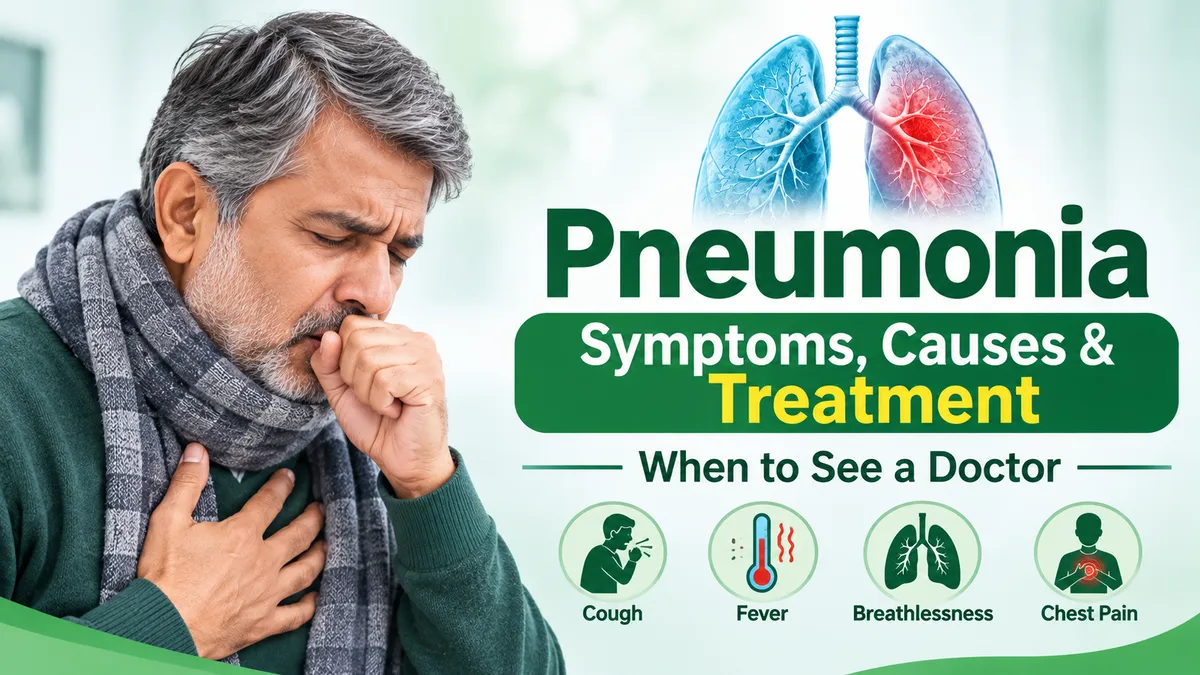
Pneumonia: Symptoms, Causes, Treatment & When to See a Doctor
Pneumonia is a respiratory infection that affects one or both lungs and can sometimes become a serious health condition if not recognised and treated promptly. It causes inflammation in the air sacs of the lungs, which may fill with fluid or pus and make breathing difficult.
Although pneumonia can affect people of all ages, older adults, young children, smokers, and individuals with existing medical conditions may have a higher risk of developing complications.
Symptoms such as persistent cough, fever, chest pain, and breathlessness should never be ignored, particularly when they become progressively worse.
Understanding the causes, symptoms, diagnosis, and treatment of pneumonia can help patients recognise warning signs and seek appropriate medical attention.
In this article, we explain everything you need to know about pneumonia, including when to consult a pulmonologist in Patna.
What Is Pneumonia?
Pneumonia is an infection of the lung tissue that primarily affects the alveoli, which are tiny air sacs responsible for exchanging oxygen and carbon dioxide.
In healthy lungs, these air sacs fill with air during breathing. However, when pneumonia develops, inflammation can cause them to fill with fluid or pus.
This interferes with normal oxygen exchange and may result in symptoms such as coughing, fever, chest discomfort, and difficulty breathing.
Pneumonia can affect one lung or both lungs. Its severity varies from mild infections that can be managed at home under medical supervision to severe infections requiring hospitalisation.
What Are the Main Causes of Pneumonia?
Pneumonia develops when infectious organisms enter the lungs and cause an infection. The most common causes include bacteria and viruses, although certain fungi can also cause pneumonia.
1. Bacterial Pneumonia
Bacterial pneumonia is commonly associated with bacteria such as Streptococcus pneumoniae.
It may develop suddenly and cause symptoms such as:
- Fever and chills
- Cough with mucus
- Chest pain while breathing or coughing
- Breathlessness
- Weakness and fatigue
Some bacterial infections require antibiotic treatment prescribed by a doctor.
2. Viral Pneumonia
Viral pneumonia can develop due to respiratory viruses such as influenza, respiratory syncytial virus (RSV), and other viral infections.
Symptoms may include:
- Dry or productive cough
- Fever
- Body aches
- Fatigue
- Headache
- Difficulty breathing
Antibiotics do not treat viral infections. Depending on the virus and the patient's condition, treatment may involve supportive care or specific antiviral medication.
3. Fungal Pneumonia
Fungal pneumonia is less common but can occur after inhaling certain fungal spores.
People with weakened immune systems or specific environmental exposures may be at greater risk.
Diagnosis and treatment depend on the suspected fungus and the patient's medical condition.
Common Symptoms of Pneumonia You Should Not Ignore
Pneumonia symptoms can develop suddenly or gradually. Some patients initially experience symptoms similar to a common cold or flu.
Common symptoms include:
- Persistent cough, with or without mucus
- Fever and chills
- Shortness of breath
- Chest pain, particularly during deep breathing or coughing
- Fatigue and weakness
- Rapid breathing
- Excessive sweating
- Loss of appetite
Warning Signs of Severe Pneumonia
Certain symptoms may indicate that pneumonia is becoming severe and requires urgent medical attention.
Watch for:
- Severe or rapidly worsening breathlessness
- Bluish lips or fingertips
- Confusion or unusual drowsiness
- Difficulty staying awake
- Severe chest pain
- Signs of significant oxygen deficiency
- Sudden deterioration in general health
Older adults may sometimes develop confusion, reduced alertness, or weakness without having a prominent fever.
Do not delay emergency medical care if severe breathing difficulty, bluish lips, or altered consciousness occurs.
Who Is at Higher Risk of Developing Pneumonia?
Although pneumonia can affect anyone, certain individuals are more vulnerable to developing the infection or experiencing complications.
People at higher risk include:
1. Older Adults: People above 65 years of age may have a higher risk due to age-related changes in immune function and the presence of other medical conditions.
2. People with COPD or Asthma: Existing respiratory conditions can make lung infections more difficult to manage and may increase the risk of complications.
3. People with Diabetes: Poorly controlled blood sugar levels and associated health complications can affect the body's ability to respond to infections.
4. Smokers: Smoking damages the natural defence mechanisms of the respiratory tract, making it easier for infections to affect the lungs.
5. People with Weakened Immunity: Individuals receiving certain cancer treatments, taking immunosuppressive medicines, or living with immune system disorders may be more susceptible.
6. People with Heart or Kidney Disease: Existing chronic illnesses may increase the risk of severe illness and complications.
If you belong to a higher-risk group, seek medical advice promptly when respiratory symptoms develop.
How Is Pneumonia Diagnosed?
Early and accurate diagnosis is important for determining the appropriate treatment and assessing the severity of the infection.
A pulmonologist evaluates the patient's symptoms, medical history, physical examination findings, and relevant investigations.
Depending on the clinical condition, the following tests may be recommended.
1. Clinical Examination
The doctor evaluates symptoms such as cough, fever, chest pain, and breathlessness.
The examination may include listening to lung sounds and checking temperature, pulse, blood pressure, and breathing rate.
2. Chest X-Ray
A chest X-ray can help identify areas of lung inflammation or consolidation associated with pneumonia.
It is commonly used when pneumonia is suspected, although imaging findings must be interpreted alongside the patient's clinical condition.
3. Pulse Oximetry
Pulse oximetry measures oxygen saturation in the blood using a small device placed on the fingertip.
It helps identify low oxygen levels and assess whether further evaluation or oxygen support may be necessary.
4. Blood Tests
Blood tests may help assess inflammation, infection, and the patient's overall health.
A complete blood count and other investigations may be recommended depending on the severity of the illness.
5. Sputum and Microbiological Tests
In selected patients, sputum testing, blood cultures, or other microbiological investigations may help identify the infectious organism.
These tests are particularly useful in certain severe, complicated, or non-responding cases.
Not every patient requires all these investigations. The doctor decides which tests are appropriate based on symptoms and clinical findings.
What Is the Treatment for Pneumonia?
Pneumonia treatment depends on its cause, severity, the patient's age, and any existing medical conditions.
There is no single treatment plan suitable for every pneumonia patient.
1. Antibiotics for Bacterial Pneumonia
Antibiotics are commonly used when bacterial pneumonia is diagnosed or strongly suspected.
The choice of antibiotic depends on several factors, including:
- The suspected bacterial organism
- Severity of infection
- Age of the patient
- Existing medical conditions
- Previous antibiotic exposure
- Local antimicrobial resistance patterns
Patients should take antibiotics only when prescribed and should not use leftover medicines or stop treatment without medical advice.
2. Treatment for Viral Pneumonia
Antibiotics do not work against viruses.
Depending on the infection, the doctor may recommend supportive treatment or specific antiviral medicines when appropriate.
3. Oxygen Therapy
Some patients with pneumonia develop low oxygen levels.
In such cases, supplemental oxygen may be required under medical supervision. Patients with severe respiratory distress may need advanced respiratory support in a hospital.
4. Hospitalisation for Severe Pneumonia
Hospitalisation may be necessary when patients develop:
- Severe breathing difficulty
- Low oxygen levels
- Unstable blood pressure
- Confusion or altered consciousness
- Severe dehydration
- Serious complications
- Significant deterioration despite initial treatment
The treating medical team determines the appropriate level of care.
What Is the Difference Between Pneumonia, Flu and the Common Cold?
Pneumonia, influenza, and the common cold can share symptoms, including cough, fever, and weakness. However, they are different conditions.
| Feature | Common Cold | Influenza (Flu) | Pneumonia |
| Main cause | Respiratory viruses | Influenza viruses | Bacteria, viruses or fungi |
| Fever | Sometimes | Common | Common |
| Cough | Usually mild | Often significant | May be persistent |
| Breathlessness | Uncommon | Can occur in severe cases | May occur |
| Chest pain | Uncommon | Sometimes | Can occur |
| Lung involvement | Usually upper respiratory tract | Can involve the lungs | Directly affects lung tissue |
Symptoms alone cannot reliably distinguish these conditions. Medical evaluation may be necessary, particularly when fever, chest pain, or breathlessness develops.
Can Pneumonia Cause Complications?
Yes. Pneumonia can sometimes lead to serious complications, especially in older adults and people with underlying medical conditions.
Some possible complications include:
1. Respiratory Failure: Severe inflammation can interfere with oxygen exchange, causing dangerously low oxygen levels.
2. Pleural Effusion: Fluid may accumulate in the space between the lungs and the chest wall.
3. Empyema: In some cases, infected fluid or pus collects in the pleural space and may require additional treatment.
4. Sepsis: The infection can trigger a severe systemic response that may affect multiple organs.
5. Lung Abscess: A localised collection of pus may develop within the lung tissue.
Early diagnosis and appropriate treatment can help reduce the risk of complications.
How Long Does Pneumonia Take to Recover From?
Recovery from pneumonia varies from person to person.
It depends on:
- The type of infection
- Severity of pneumonia
- Age and overall health
- Presence of chronic lung or other medical conditions
- Timeliness of treatment
- Development of complications
Some patients begin feeling better within a few days of starting appropriate treatment. However, cough, fatigue, and reduced exercise tolerance may continue for several weeks.
Older adults and patients with existing respiratory conditions may require a longer recovery period.
Follow-up appointments are important if symptoms persist, worsen, or fail to improve as expected.
How Can You Prevent Pneumonia?
Although pneumonia cannot always be prevented, several measures can help reduce the risk of respiratory infections.
1. Stay Up to Date With Recommended Vaccinations
Vaccines can help protect against certain infections associated with pneumonia.
Depending on age, health conditions, and vaccination history, a doctor may recommend:
- Pneumococcal vaccination
- Influenza vaccination
- Other recommended respiratory infection vaccines
Discuss the appropriate vaccination schedule with your healthcare professional.
2. Maintain Good Hand Hygiene
Wash your hands regularly with soap and water, especially before eating and after coughing or sneezing.
Avoid touching your face with unwashed hands.
3. Avoid Smoking
Smoking damages the respiratory tract and interferes with the lungs' natural defence mechanisms.
Avoid smoking and exposure to second-hand smoke.
4. Reduce Exposure to Air Pollution
Avoid unnecessary exposure to smoke, dust, and polluted air.
During periods of poor air quality, reduce outdoor exertion and follow local health advisories.
5. Maintain a Healthy Lifestyle
Adequate sleep, balanced nutrition, regular physical activity, and proper management of existing health conditions support overall health.
6. Seek Medical Attention When Symptoms Develop
Do not ignore persistent cough, fever, chest pain, or worsening breathlessness.
Early medical assessment can help identify pneumonia and other respiratory conditions.
Pneumonia in Patients With COPD and Other Lung Diseases
Pneumonia can be particularly concerning for people who already have chronic respiratory conditions.
Patients with COPD, bronchiectasis, interstitial lung disease, or other chronic lung disorders may have reduced respiratory reserve.
A new respiratory infection can worsen existing symptoms and may trigger an exacerbation of the underlying condition.
Warning signs include:
- Increased breathlessness compared with usual
- Increased cough
- Changes in sputum quantity or appearance
- Fever or chills
- Reduced ability to perform daily activities
- Lower oxygen readings than usual
Patients with chronic lung diseases should not assume that worsening symptoms are simply part of their existing condition.
Timely evaluation by a pulmonologist is important to identify the cause and determine appropriate treatment.
When Should You Consult a Pulmonologist?
You should seek medical evaluation if you experience persistent cough, fever, chest discomfort, or difficulty breathing.
Consulting a pulmonologist is particularly important when:
- Symptoms are worsening despite initial treatment.
- You have an existing lung condition such as COPD or asthma.
- You experience repeated chest infections.
- You have persistent breathlessness or reduced oxygen levels.
- You are an older adult with new respiratory symptoms.
- You have not recovered as expected after pneumonia treatment.
Severe breathlessness, bluish lips, confusion, or reduced consciousness require emergency medical attention rather than waiting for a routine appointment.
Consult Dr. S. K. Madhukar at Madhukar's Clinic & Lung Hospital, Patna
Pneumonia requires timely medical evaluation, particularly when symptoms involve persistent cough, fever, chest pain, or breathing difficulties.
At Madhukar's Clinic & Lung Hospital, Kankarbagh, Patna, patients can seek respiratory health consultation with Dr. S. K. Madhukar, Pulmonologist.
The clinic focuses on respiratory and lung-related healthcare, including the evaluation and management of various pulmonary conditions.
If you or a family member is experiencing symptoms suggestive of pneumonia, seek appropriate medical advice rather than relying on self-medication.
Clinic Details:
Madhukar's Clinic & Lung HospitalF-201, P C Colony Road,
Kankarbagh, Patna, Bihar – 800020
Phone: +91 97718 52621
Website: https://madhukarlunghospital.com/
Frequently Asked Questions About Pneumonia
1. What are the first signs of pneumonia?
Early symptoms may include cough, fever, chills, fatigue, chest discomfort, and shortness of breath. Symptoms can vary depending on the cause and severity of the infection.
2. Is pneumonia contagious?
The viruses and bacteria responsible for some types of pneumonia can spread through respiratory droplets or close contact. However, exposure to these organisms does not mean every person will develop pneumonia.
3. Can pneumonia occur without fever?
Yes. Some people, particularly older adults and individuals with weakened immunity, may develop pneumonia without a noticeable fever.
4. Can pneumonia be treated completely?
Many people recover from pneumonia with appropriate treatment. Recovery depends on the type and severity of infection, overall health, and whether complications develop.
5. Is pneumonia dangerous for older adults?
Pneumonia can be more serious in older adults because of age-related changes in immunity and the presence of other medical conditions. Early assessment is important.
6. Can pneumonia affect people with COPD?
Yes. Pneumonia can worsen breathing difficulties in patients with COPD and may trigger an exacerbation. Such patients should seek medical advice promptly if symptoms change.
7. Does every pneumonia patient require hospitalisation?
No. Some patients with mild pneumonia can be treated outside the hospital under medical supervision. Severe cases may require hospitalisation, oxygen therapy, or closer monitoring.
8. How can I reduce my risk of pneumonia?
Recommended vaccinations, hand hygiene, avoiding smoking, reducing exposure to air pollution, and managing existing medical conditions can help lower the risk.
9. When should I get a chest X-ray for a cough?
A chest X-ray may be recommended when symptoms or examination findings suggest pneumonia or another lung condition. A doctor should determine whether imaging is necessary.
10. Which doctor should I consult for pneumonia?
A pulmonologist specialises in respiratory and lung conditions and can evaluate suspected pneumonia, assess breathing difficulties, and guide appropriate management.
Conclusion
Pneumonia is a potentially serious lung infection, but timely diagnosis and appropriate treatment can make a significant difference to recovery.
Recognising symptoms such as persistent cough, fever, chest pain, and breathlessness is important, particularly in older adults and people with existing respiratory conditions.
Avoid self-medication, follow professional medical advice, and seek urgent care if severe breathing difficulties or other warning signs develop.
For respiratory health consultation in Patna, patients can contact Madhukar's Clinic & Lung Hospital, Kankarbagh.
Take respiratory symptoms seriously. Early medical evaluation can help protect your lung health.
Medical Disclaimer: This article is intended for general educational purposes only. It does not replace professional medical consultation, diagnosis, or treatment. Pneumonia management must be individualized according to the patient's clinical condition. Consult a qualified healthcare professional for medical advice.
Related Reads
COPD in Winter: Why Breathing Problems Can Get Worse and How Patients Can Stay Safe
Learn why COPD symptoms may worsen during winter, how cold weather, respiratory infections and air pollution affect breathing, and practical ways to manage COPD and protect your lung health.
Winter Air Pollution in Patna: How to Protect Your Lungs and When to See a Doctor
Winter air pollution can worsen coughing, wheezing, and breathing difficulties. Learn how to reduce exposure in Patna, protect your lung health, and recognise symptoms that need medical attention.
Chronic Cough: Causes, Diagnosis and Treatment by a Pulmonologist
A persistent cough can be caused by asthma, respiratory infections, allergies, acid reflux and other conditions. Learn about chronic cough symptoms, diagnosis, treatment options and when to consult a pulmonologist in Patna.
How to Choose a Pulmonologist in Patna: 10 Things Patients Should Consider
Looking for a pulmonologist in Patna? Learn 10 important factors to consider when choosing a qualified lung and respiratory specialist for diagnosis, treatment, and long-term care.
Why Book an Appointment with Dr. S. K. Madhukar, One of the Leading Pulmonologists in Patna?
Looking for the best pulmonologist in Patna or Kankarbagh? Discover why Dr. S. K. Madhukar is trusted for specialized lung, pulmonary, and respiratory care in Patna, Bihar.
Need Respiratory Care?
Consult Dr. S. K. Madhukar at Madhukar's Clinic & Lung Hospital for expert pulmonology diagnosis & treatment.
Book Appointment